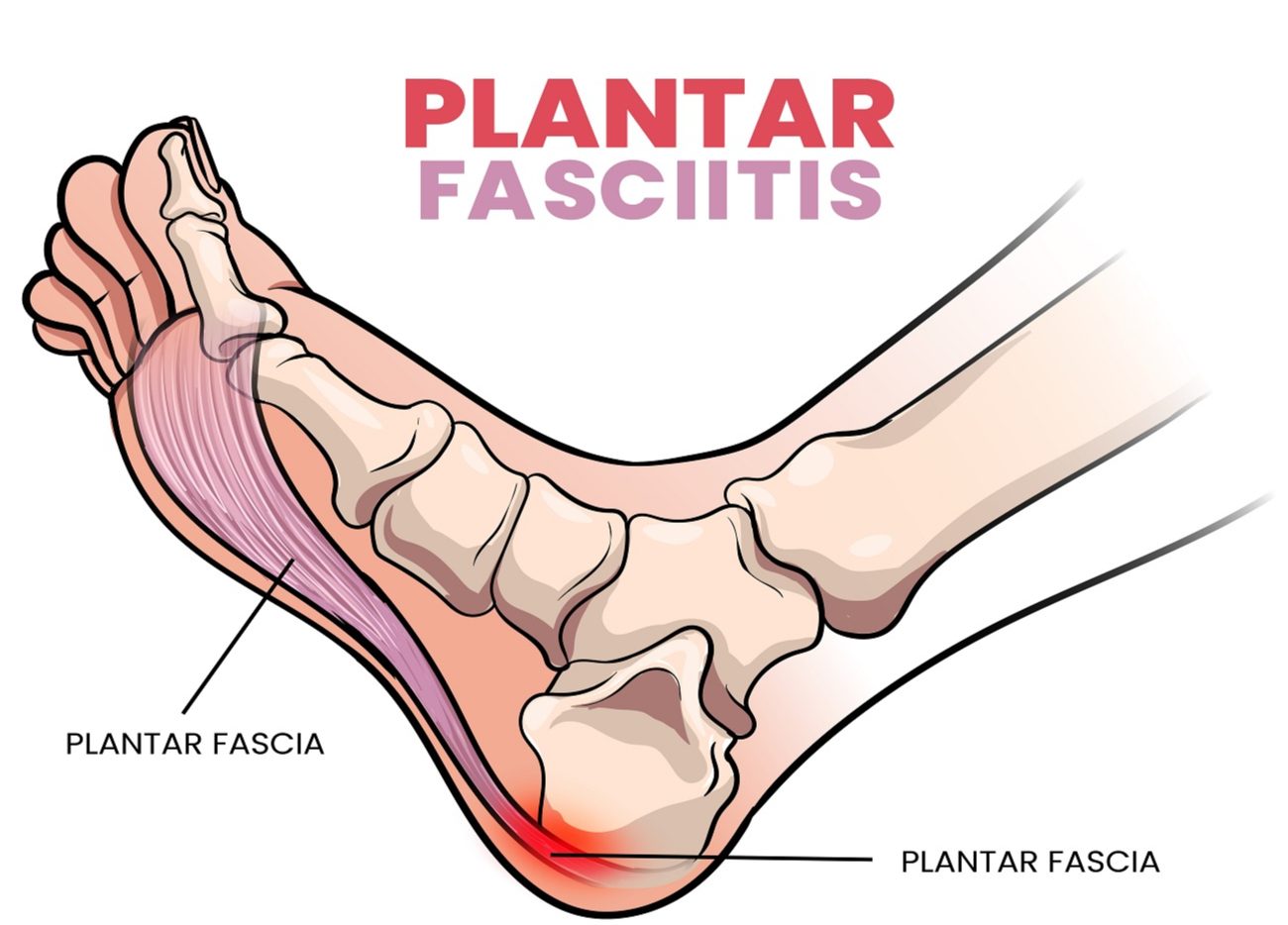
Introduction to Plantar Fasciitis
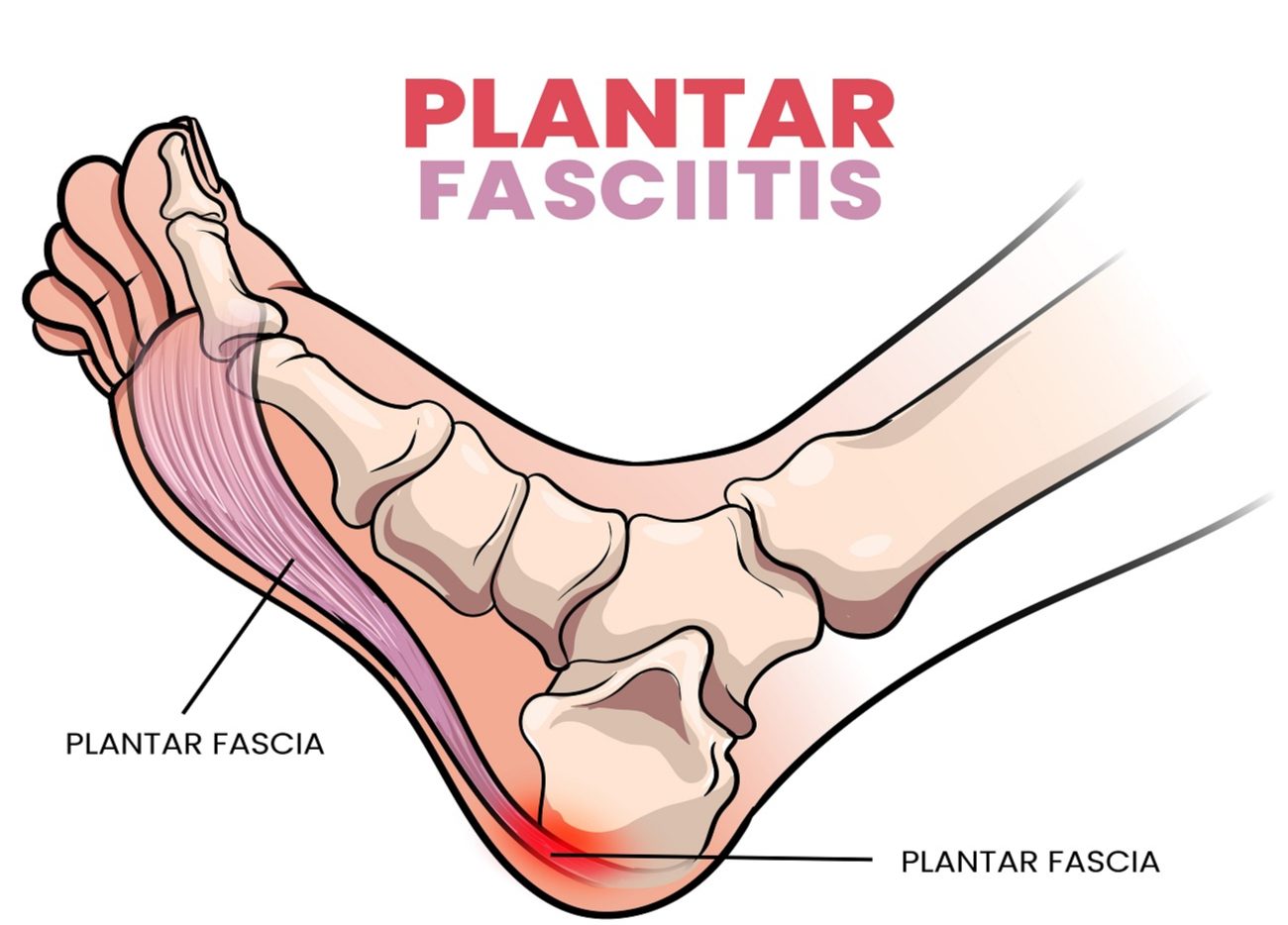
Definition and explanation of plantar fasciitis as inflammation of the plantar fascia ligament.
Common symptoms such as heel pain, especially during the first steps in the morning.
Overview of who is commonly affected, including athletes, people with obesity, and those who stand for long periods.
Causes and Risk Factors
Mechanical overload: How repetitive strain and overuse damage the plantar fascia.
Foot mechanics: The role of flat feet, high arches, and abnormal walking patterns in increasing risk.
Lifestyle influences: Impact of obesity, age, and occupation on developing the condition.
Recognizing Symptoms Early
Heel pain location and characteristics: Sharp or dull pain at the bottom of the heel.
Timing of pain: More intense after rest or first step in the morning.
Progression of symptoms: Pain that worsens over time if untreated.
Diagnosis and When to See a Doctor
Importance of clinical examination and patient history.
Diagnostic imaging like X-rays or MRI to rule out other conditions.
Criteria for seeking professional care to prevent chronic problems.
Effective Treatments and Self-Care Strategies
Rest and activity modification to reduce strain on the foot.
Stretching exercises for the plantar fascia and Achilles tendon: Simple routines to relieve tension.
Use of supportive footwear and orthotics for arch support.
Anti-inflammatory medications and pain relief options.
Physical therapy approaches to improve foot mechanics.
Advanced and Medical Interventions
Physical Therapy
Corticosteroid injections and their potential benefits and risks.
Shockwave therapy as a non-invasive treatment option.
Surgical considerations for severe, persistent cases.
Prevention Tips for Long-Term Relief
Maintaining healthy body weight to reduce foot stress.
Wearing appropriate footwear with cushioning and arch support.
Incorporating foot and calf stretching into daily routine.
Avoiding prolonged standing and repetitive high-impact activities without proper conditioning.